- -€2.00
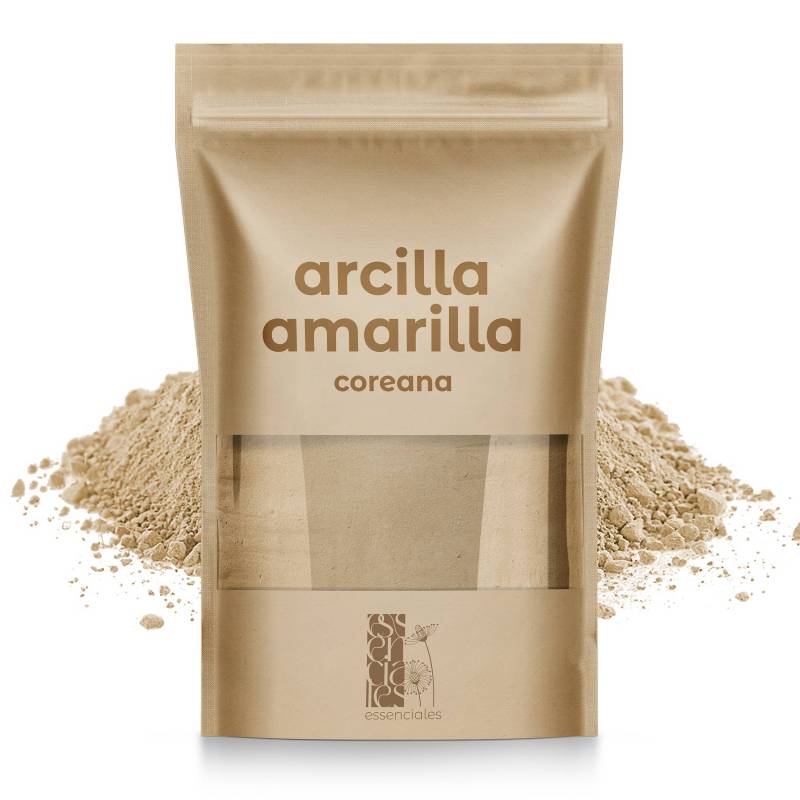

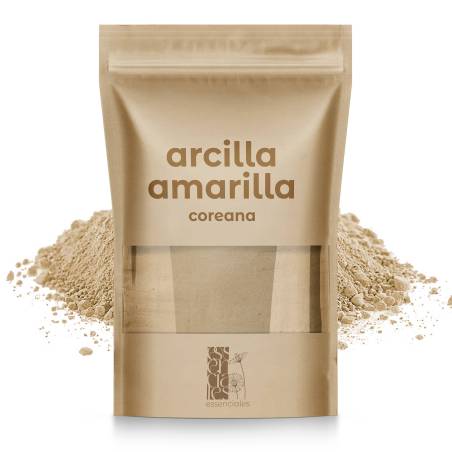
Yellow Korean Clay, 400g · Mindfulness Cosmetics NATURAL CLAY, ECO-FRIENDLY, DETOX Discover the marvel of yellow clay, a natural treasure highly valued in skincare. Rich in beneficial minerals, this clay offers purifying and revitalising properties, helping to balance the skin in a unique way. Carefully extracted from the earth, it effectively absorbs impurities and excess oil, leaving the skin soft and radiant. Its unique composition also nourishes the skin, promoting optimal balance. Beyond its benefits, yellow Korean clay provides a sensory experience, transporting you to the serene landscapes of the East. A natural choice for those seeking to revitalise their skin authentically and in harmony with nature.
Related products
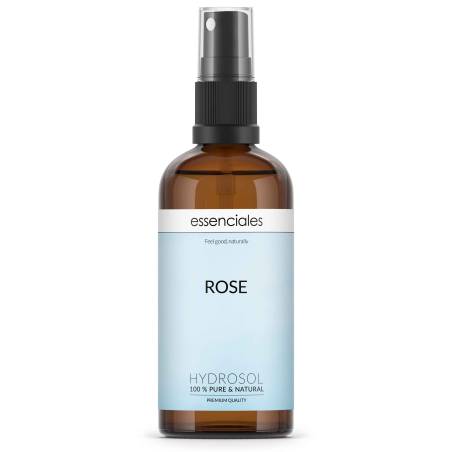
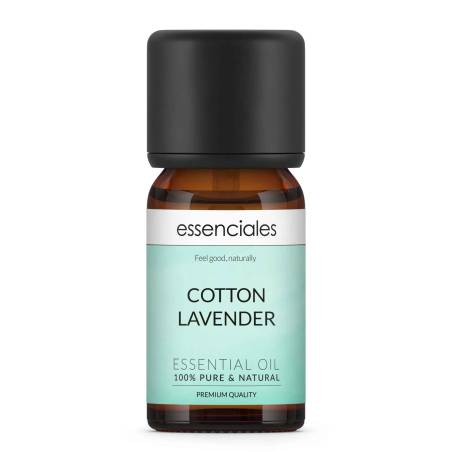
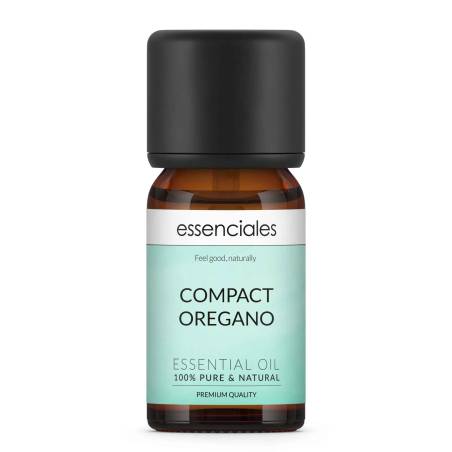
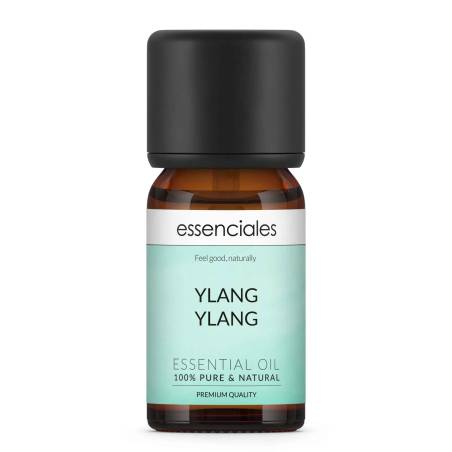
Products you can use or complement withCustomers who bought this product also purchased...

All our products are completely natural and pure, undiluted. We do not add synthetic ingredients or additives.

Manufacturing process endorsed by the EU, being one of the few that fully complies with current regulations.

Free certified 24-hour shipping on orders over €45 (mainland). Check shipping terms for freeshipping in the EU.

Shop with confidence using your VISA, Mastercard, or PayPal account. Bank transfers and cash on delivery payments are also accepted.


Yellow Korean Clay, 400g · Mindfulness Cosmetics NATURAL CLAY, ECO-FRIENDLY, DETOX Discover the marvel of yellow clay, a natural treasure highly valued in skincare. Rich in beneficial minerals, this clay offers purifying and revitalising properties, helping to balance the skin in a unique way. Carefully extracted from the earth, it effectively absorbs impurities and excess oil, leaving the skin soft and radiant. Its unique composition also nourishes the skin, promoting optimal balance. Beyond its benefits, yellow Korean clay provides a sensory experience, transporting you to the serene landscapes of the East. A natural choice for those seeking to revitalise their skin authentically and in harmony with nature.