Tea tree essential oil properties
|
“Tea Tree Essential Oil is perhaps the most popular essential oil worldwide. Its versatility in skin care is its greatest credential. Given its presence in households around the globe, it's invaluable to understand its full range of properties and uses. You'll soon discover that you have a genuine natural ally in a bottle."
|
Clean scent: tea tree essential oil has a fresh, clean aroma, widely used in natural hygiene products and household cleaning.
Purifies the air: in diffusion, it helps purify the atmosphere and brings a pleasant feeling of cleanliness.
Invigorating aroma: in diffusion, its bright, fresh scent helps you feel more alert and focused on demanding days.
Purifies the skin: the tea tree is ideal for cleansing acne-prone or blemish-prone skin, as well as the scalp and intimate areas (it is extremely important to use it always properly diluted in vegetable oils before applying on delicate skin).
Practical Uses and Applications of Tea Tree Essential Oil
Tea tree essential oil is a household staple. These are some of its everyday uses:
Skin care: a few drops in your cleansing gel or toner (maximum 2%) help purify acne-prone or blemish-prone skin.
Hair: added to your shampoo, it brings a clean, fresh feeling to the scalp.
Personal hygiene: it is a common ingredient in homemade deodorants and toothpastes.
Household cleaning: in your cleaning products, it leaves a fresh scent in bathrooms and kitchens.
Tea Tree Essential Oil Recipes
HOUSEHOLD
- General house cleaning: Add 10 drops of Tea Tree to your general cleaning product.
- To clean toilets: Make a mixture of 1 cup of cleaning vinegar, ½ cup of baking soda and 20 drops of tea tree. Use it as a spray in the toilets, leaving it to act for a few minutes, and then rinse normally.
- Cleaning difficult surfaces: Add 5-10 drops of Tea Tree to 1 tablespoon of baking soda and apply with a sponge.
DIFFUSION
- To purify the air: Add 4-5 drops in a diffuser along with lemon essential oil.
COSMETICS & PERSONAL CARE
- Intimate hygiene: add 1% to your intimate hygiene gel.
- Toothpaste: Mix 3 drops of Tea Tree essential oil with 50gr of baking soda and 100gr of coconut oil. You can add other essential oils to the mix, such as: cloves, lemon, orange, bay leaf...
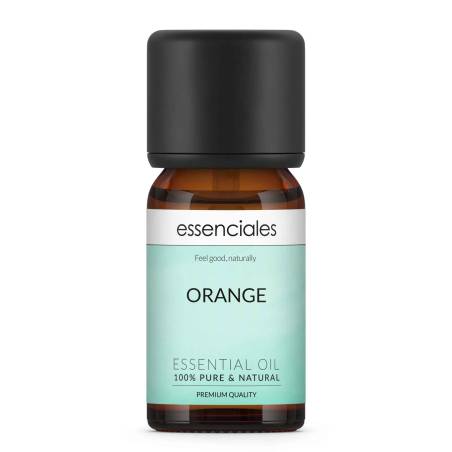
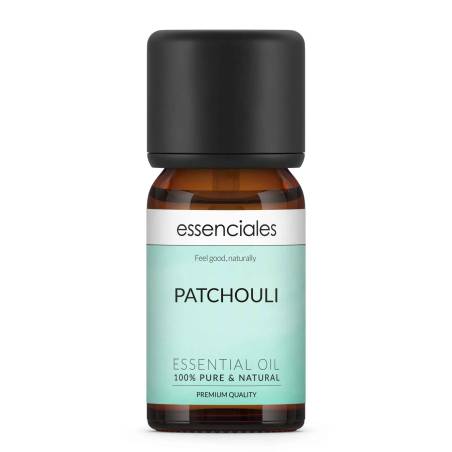
Tea tree essential oil pairs well with:
Recommended dilutions for tea tree essential oil
Recommended generic generic dilution in adults: 2%
Maximum recommended generic dilution in children: 0.25% (over 6 years)
Essential oils are highly concentrated substances and must be diluted in almost all uses. Use our dilution table to get a more detailed idea about the correct use of essential oils:
ESSENTIAL OILS DILUTION GENERAL GUIDE
Identification
Botanical name: Melaleuca alternifolia, Myrtaceae
Origin: Australia
Extraction method: Pure steam distillation (without solvents or refining processes).
Distilled : Leaves.
INCI: Melaleuca Alternifolia Leaf Oil
Safety
Keep out of the reach of children.
Some of the natural components of this essential oil can pose an allergy risk in some people. We will always carry out a tolerance test prior to using it by applying a few drops inside the elbow.
Topical use: Suitable in dilution (maximum 2%)
Diffuser: With caution, follow recommendation above.
Phototoxicity: No
Sensitizing: No
Irritant: No
Allergens naturally present in this essential oil:
Limonene <5% Linalol <0.5% Geraniol <0.005% Citral <0.5%
Conservation of essential oils
Equally important is knowing how to preserve essential oils, to ensure their good condition and that they do not become toxic or irritant due to oxidation or contamination. So we recommend reading this little guide:
Storage of Essential Oils
Important
The information on oils offered by Essenciales has its origin in popular sources and it is published for educational purposes only. It is not intended to offer or sell this product as a diagnosis, treatment, cure or prevention of any disease. The International Federation of Aromatherapists does not recommend the internal intake or consumption of essential oils except under the strict supervision of a doctor or a qualified professional in aromatherapy and clinical herbal medicine. It is always recommended to dilute essential oils properly. If you are pregnant, have epilepsy, liver failure, or have a health problem, use essential oils only by medical prescription. Never use essential oils in children without the proper knowledge or without instructions from a pshysician.
Never ignore professional medical advice.
Essenciales does not give medical advice nor engages in the practice of medicine.