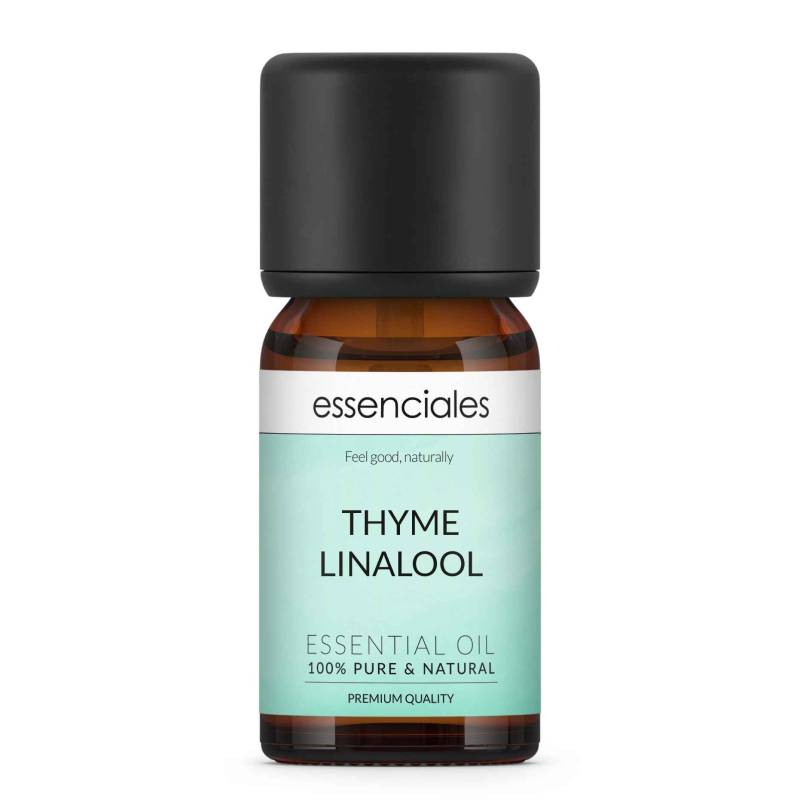
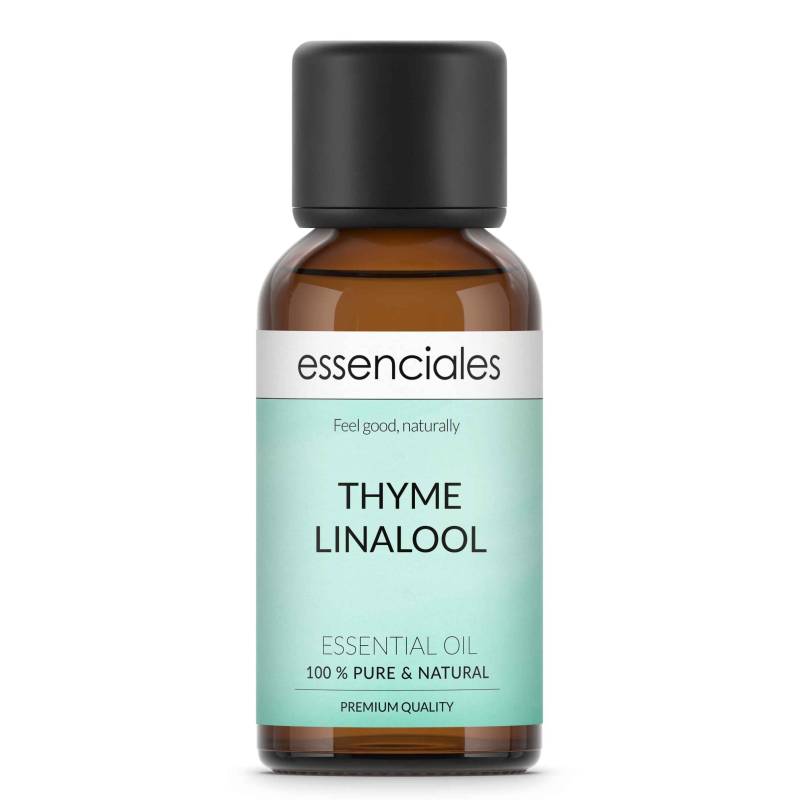
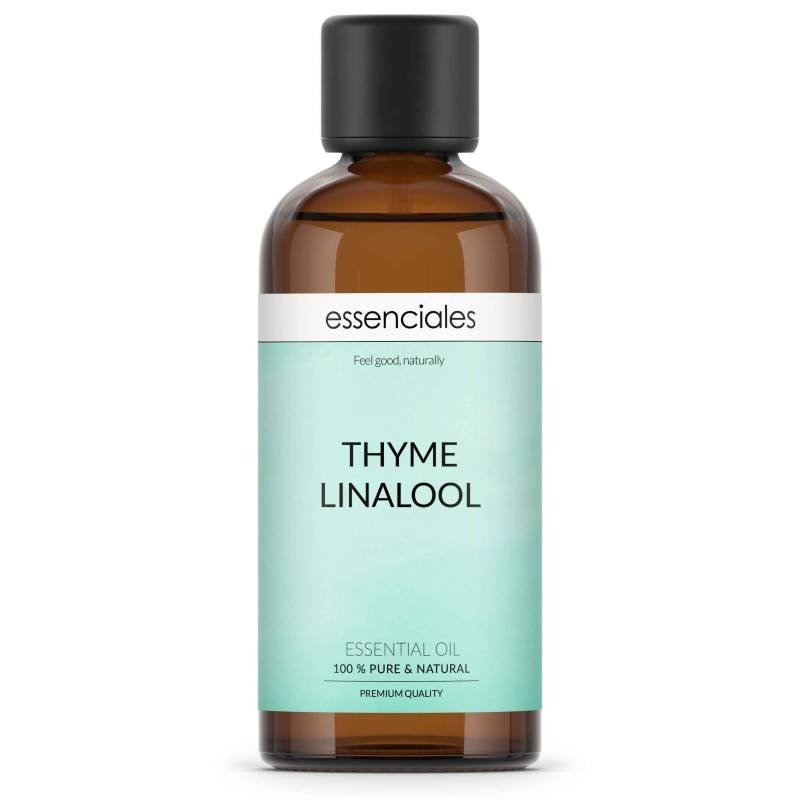
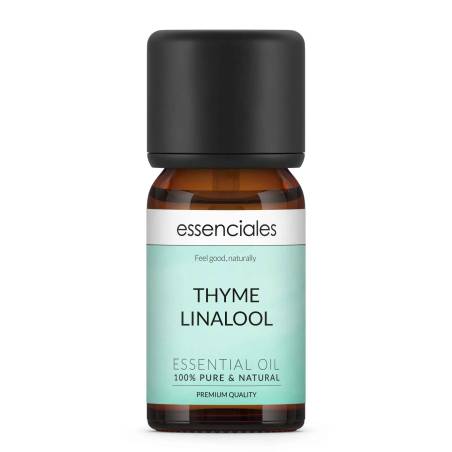
Linalool Chemotype Thyme Essential Oil (Thymus vulgaris)
Linalool chemotype thyme essential oil is one of the softest and most delicate gems within the wide spectrum of thyme essential oils. Extracted from the leaves and flowers of the Thymus vulgaris plant, this specific variety is distinguished by its high concentration of linalool, a compound known for its gentleness and calming effects, making it the ideal choice for people with sensitive skin or for those seeking the benefits of thyme without the irritating characteristics of other chemotypes.
Organoleptic and Aromatic Properties
The aroma of linalool thyme is soft and floral, with light herbal notes that evoke a feeling of freshness and serenity. Unlike thymol thyme, its fragrance is sweeter and less intense, making it ideal for cosmetic and wellness applications. This warm and comforting aroma envelops the senses, offering a balanced aromatic experience that promotes calm and emotional well-being.
Properties
Linalool thyme essential oil is known for its balanced and gentle action on the body and mind. Below are some of its most notable properties:
- Gently purifying: A clean, herbal aroma, perfect for natural hygiene products without irritating the skin.
- Softening: Helps ease the feeling of tightness and improves the look of sensitive or reddened skin.
- Calming: Its soft, floral aroma helps you relax and create a moment of calm.
- Revitalizing: Helps improve the look of the skin and blur the appearance of marks.
Differences from Other Chemotypes
Linalool chemotype thyme differs from other varieties, such as thymol or carvacrol thyme, in its softness. Thymol thyme has a much more intense aroma and can be irritating to the skin. Carvacrol thyme, on the other hand, is even stronger and recommended only for very specific uses. Linalool thyme, however, is gentle enough to be used on delicate skin, children, and those with sensitive skin, without losing the aromatic character of thyme.
Cosmetic Recipes
-
Soothing Serum for Sensitive Skin
- 3 drops of linalool thyme essential oil
- 10 ml of jojoba oil
- 2 drops of chamomile essential oil This serum is perfect for sensitive skin or skin prone to redness. Apply it to your face at night to calm and soften the skin.
-
Revitalizing Facial Toner
- 2 drops of linalool thyme essential oil
- 100 ml of rose water
- 1 drop of lavender essential oil Mix all the ingredients and use as a toner after facial cleansing. It helps revitalize the skin and ease any feeling of tightness.
-
Soothing Scalp Mask
- 2 drops of linalool thyme essential oil
- 1 tablespoon of coconut oil
- 1 tablespoon of aloe vera Apply this mask to your scalp to calm any feeling of tightness, hydrate, and leave a refreshing feeling. Leave it on for 20 minutes and rinse.
Wellness Ideas
-
Body Relaxation Massage Oil
- 4 drops of linalool thyme essential oil
- 20 ml of sweet almond oil
- 2 drops of lavender essential oil This massage oil is ideal for relaxing tense muscles and letting go of built-up stress. Gently massage the back, neck, and shoulders after a tiring day.
-
Calming Aroma to Unwind
- 3 drops of linalool thyme essential oil
- 2 drops of bergamot essential oil Add the oils to a diffuser or a bowl of hot water. Breathe deeply and enjoy a moment of calm.
-
Relaxing Bath to Let Go of Stress
- 5 drops of linalool thyme essential oil
- 3 drops of marjoram essential oil
- 1 cup of Epsom salts Dissolve the salts and essential oils in a warm bath. Soak for 20 minutes to fully relax your body and mind.
Safety Notes
Linalool chemotype thyme essential oil is much gentler than other thyme varieties, making it safe for topical use and in diffusers, even for children over 3 years old and people with sensitive skin. However, like all essential oils, it must be properly diluted before applying to the skin. Avoid its use during pregnancy and in babies. It is also important to perform a sensitivity test before regular use to avoid possible adverse reactions.
Botany - Thymus vulgaris -
Thyme is a common aromatic and medicinal plant that grows on sunny slopes in southern Europe and northern Africa. It is a small subshrub that can reach between 13 cm and 40 cm in height. Thyme stems are upright, quadrangular, woody, and very branched. The leaves are small, oval, with rolled edges and downy undersides. Thyme flowers are small and pink, produced in clusters. Thyme blooms in spring and is a plant deeply rooted in Mediterranean culture. It was one of the plants used by the Egyptians for embalming, and in fact, some say that the name thyme might come from the Egyptian word “tham” or “thym,” referring to the type of thyme they used. Other sources refer to its Greek origin, from the word “thymos” or “thyein,” meaning smoke or perfume, as thyme was burned as incense to ward off poisonous creatures. It is also mentioned that the origin of thyme could come from the Greek word “thumus,” meaning “courage.” Roman soldiers were said to bathe in thyme to gain vigor. In the Middle Ages, thyme was known for imparting courage to knights.
Thyme essential oil is pale yellow to amber in color, with a characteristic mentholated and slightly spicy odor.
Properties of Linalool Thyme Essential Oil
Antioxidant: Anti-aging effect in homemade cosmetics.
Purifying: A clean aroma widely used in natural hygiene products.
Skin tonic: Helps balance the look of oily skin and keep it clean.
Gently stimulating: Its aroma brings energy in moments of physical and mental tiredness.
Comforting: Diluted in a vegetable oil, it brings well-being to massages for tired muscles.
Practical Uses and Applications of Linalool Thyme Essential Oil
These are some of the most common uses of linalool thyme essential oil:
Skincare: At a low dilution in your face cream or oil, it helps balance the look of oily or blemish-prone skin.
Hair: A few drops in your dose of shampoo, with a gentle scalp massage, add a fresh, herbal scent.
Massage: Diluted in a vegetable oil, for a relaxing massage at the end of a busy day.
Diffusion: With citrus oils or laurel, to freshen and purify the air at home.
Recipes with Linalool Thyme Essential Oil
IN COSMETICS
- Toner for Oily Skin: Create a synergy with the following components: 20 drops of Linalool Thyme, 20 drops of Cypress, 40 drops of Lavender, 20 drops of Camphor Rosemary, 15 drops of White Sandalwood, 5 drops of Lemon, and 5 drops of Tea Tree. Apply 1-2 drops with a base cream or jojoba oil for oily and acne-prone skin.
- Hair Strengthening Toner: Mix 1 drop of Linalool Thyme and 1 drop of Rosemary cineole with a dose of shampoo, and massage the scalp for a few minutes daily.
IN MASSAGE
- For a comforting massage: Use a blend of 2 drops of Linalool Thyme essential oil and 2 drops of Wintergreen essential oil with a teaspoon of Black Cumin oil, gently massaged into the knees and ankles at the end of the day.
- For an energizing massage: Mix 20 drops of Linalool Thyme, 20 drops of Laurel, 20 drops of Siberian Pine, and 10 drops of Copaiba, diluted in 30 ml of Hemp oil, on the lower back and soles of the feet once a day.
IN DIFFUSION
- To purify the air: Add 3 drops to a diffuser along with 3 drops of Lemon and 3 of Laurel.
Thyme Linalool Essential Oil Blends Well With:
- Lavender
- Laurel
- Scots Pine
- Camphor Rosemary
- Rosemary cineole
- Ravintsara
- Roman Chamomile
- Almond
- Grapeseed
Recommended Dilutions for Linalool Thyme Essential Oil
Essential oils should always be diluted and kept away from sensitive areas (mucous membranes, eyes, etc.).
Maximum recommended generic dilution for topical use in adults: 2%
Maximum recommended generic dilution for topical use in children: 0.25%
Avoid use in children under 6 years old.
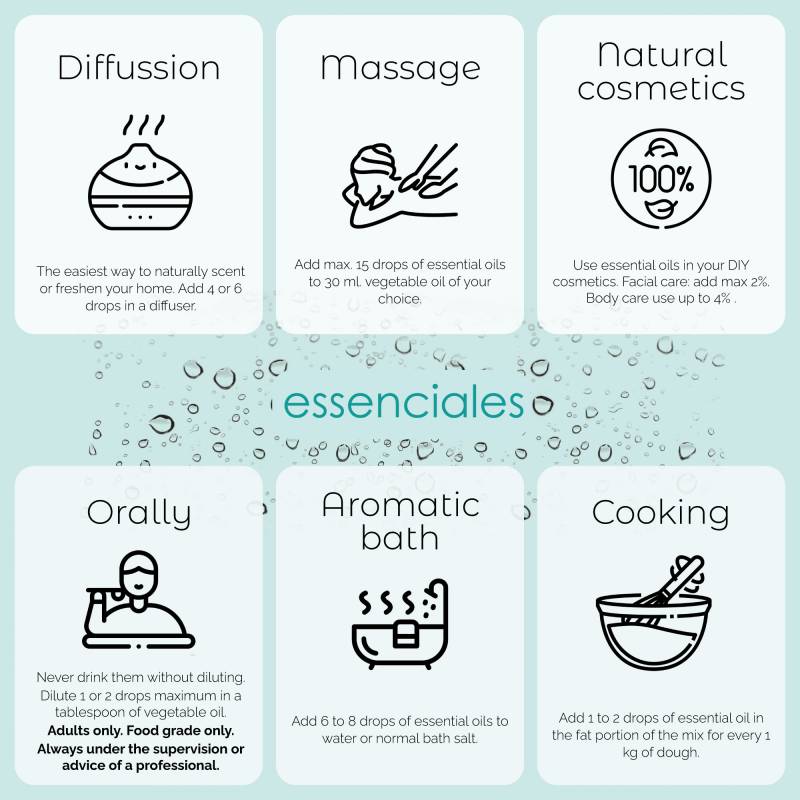
Essential oils are highly concentrated substances and should be diluted for most uses. Use our dilution chart to get a more detailed idea of the correct use of essential oils:
ESSENTIAL OILS DILUTION GENERAL GUIDE
"Nature does not hurry, yet everything is accomplished." – Lao-Tse. Linalool thyme essential oil embodies this tranquility, acting gently yet effectively to restore harmony to your body and soul.
Identification
Botanical Name: Thymus vulgaris L., Lamiaceae
Origin: Spain
Extraction Method: Steam distillation
Distilled or Extracted Part: Flowering tops
INCI: Thymus vulgaris Flower/Leaf Oil
Safety
Avoid use during pregnancy or breastfeeding.
Contraindicated in cases of high blood pressure.
Keep out of reach of children.
Some natural components of this essential oil may pose an allergy risk for some people. Always perform a tolerance test before applying any preparations by applying a few drops inside the elbow.
Oral use: Yes
Topical use: Suitable in maximum dilution of 2%.
Diffuser: Suitable
Phototoxicity: No
Sensitizing: No
Irritant: No
Naturally Occurring Allergens in This Essential Oil:
- Limonene
- Linalool
- Citral
- Geraniol
Preserving Essential Oils
It is equally important to know how to preserve essential oils to ensure their good condition and prevent them from becoming toxic or irritating due to oxidation or contamination. We recommend reading this small guide:
Storage of Essential Oils
Important
The information provided by Essenciales comes from popular sources and is intended for educational purposes only. It does not aim to offer or sell this product as a diagnosis, treatment, cure, or prevention of any disease. The International Federation of Aromatherapists does not recommend the ingestion or internal consumption of essential oils except under the strict supervision of a doctor or practitioner qualified in aromatherapy and clinical phytotherapy. It is always recommended to properly dilute essential oils. If you are pregnant, have epilepsy, liver failure, or suffer from a health condition, use essential oils only under medical prescription. Never use essential oils on children without proper knowledge or instructions from a professional.
Never ignore professional medical advice.
Essenciales does not provide medical advice or engage in the practice of medicine.