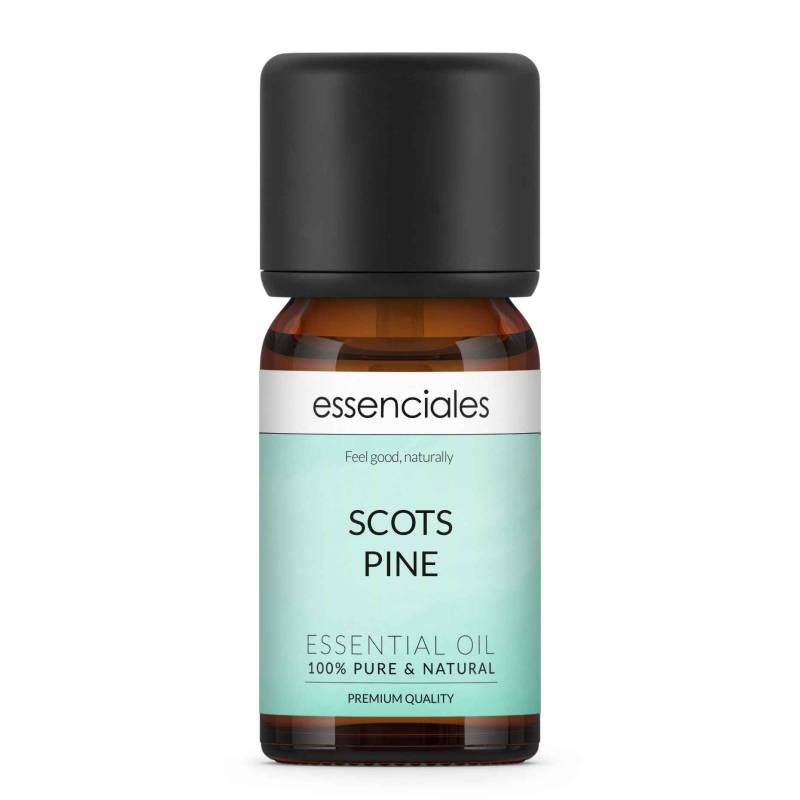
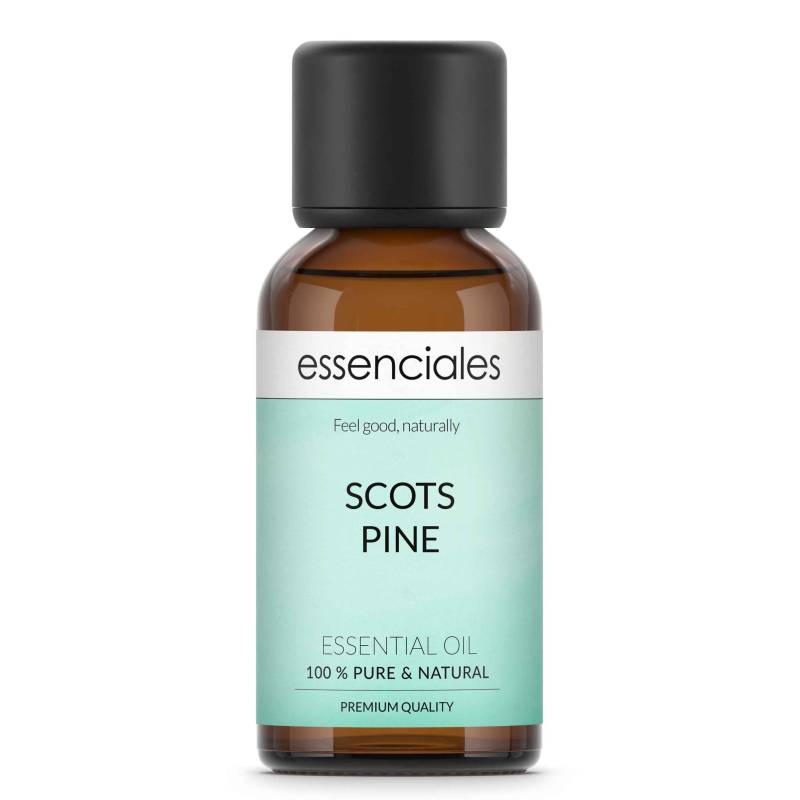
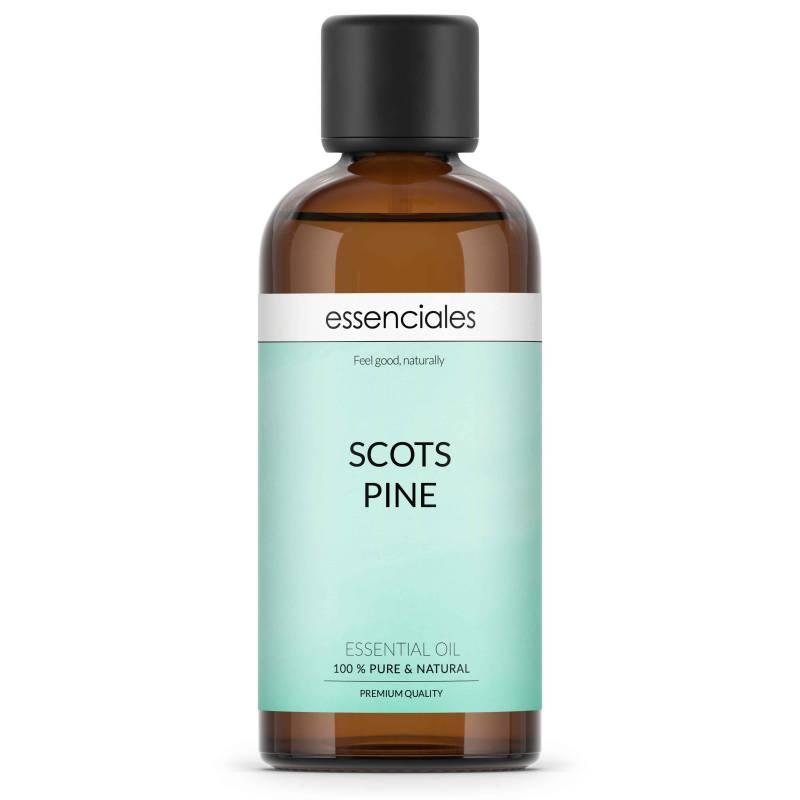
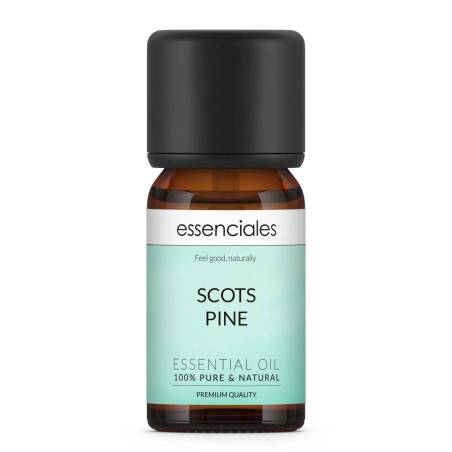
🌲 Presentation and Common Uses of Scots Pine Essential Oil
✨ Properties of Scots Pine Essential Oil
Decongestant and antitussive: Helps reduce respiratory congestion and cough caused by inflammatory or allergic processes.
Broad-spectrum anti-infective: Eliminates a wide variety of bacteria and viruses, especially in the respiratory tract.
Antirheumatic: Relieves symptoms of rheumatism and arthritis.
Nervous tonic: Stimulates and balances the nervous system.
🌱 Practical Uses and Applications
Scots Pine essential oil has traditionally been used to help with the following:
- Nervous system & emotions: Asthenia, physical and mental fatigue.
- Musculoskeletal system: Rheumatic pain, muscle fatigue.
- Respiratory system: Cough, sinusitis, bronchitis, chronic catarrh, asthma.
- Lymphatic system: Lymphatic congestion.
🛠️ DIY Recipes with Scots Pine Essential Oil
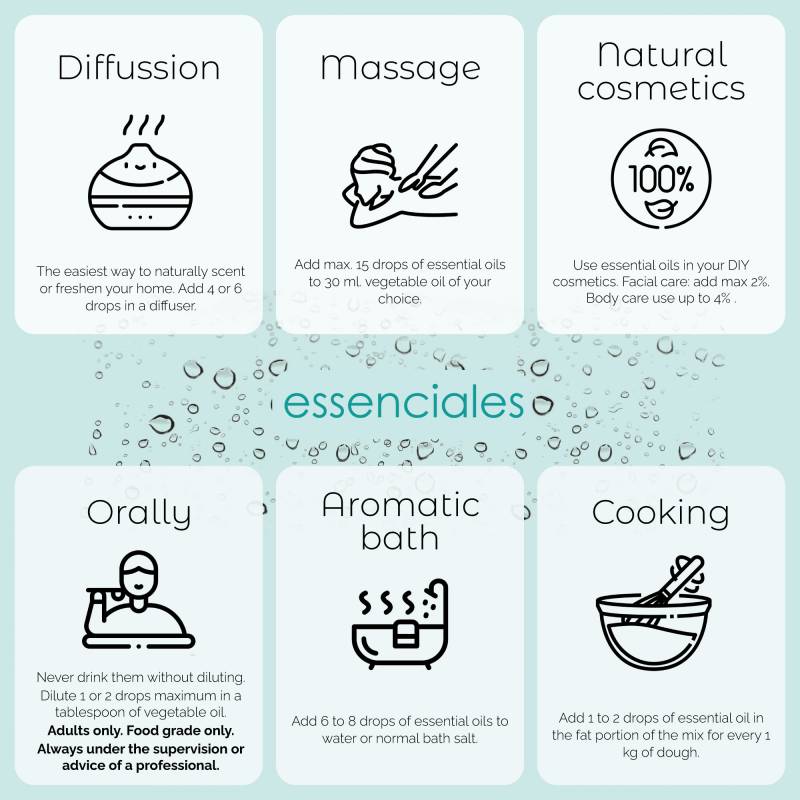
Massage
- To relax and release muscle tension:
➤ Mix 3–4 drops of Scots Pine with 3–4 drops of Lavender and 2 drops of Roman Chamomile in 1 teaspoon of Hemp oil. Apply to tense muscles.
- To boost immune system and energy:
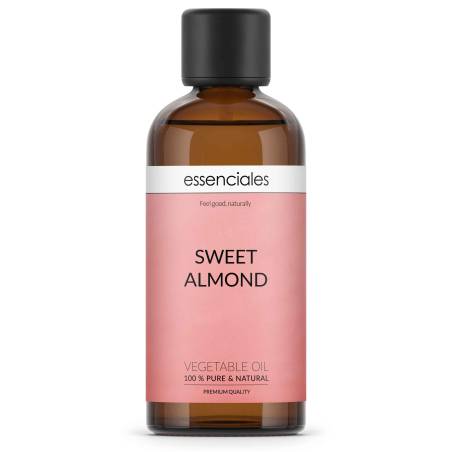
➤ Apply 3–4 drops of Scots Pine diluted in 1 teaspoon of Sweet Almond oil on the lower back, twice daily.
- To soothe cough:
➤ Blend 3–4 drops of Scots Pine with 3–4 drops of Lavender in 1 teaspoon of St. John’s Wort oil. Massage onto chest, neck and soles of the feet.
Diffusion
- To calm cough and improve breathing:
➤ Add 4–5 drops to an ultrasonic diffuser together with Lemon, Laurel and Ravintsara essential oils.
🤝 Blends Well With
- Lavender
- Ginger
- Cedarwood Atlas
- Sage
- Lemon
- Ravintsara
- Roman Chamomile
- Carrier oils: Sweet Almond, Hemp
💧 Recommended Dilutions
General maximum dilution for adults: 2%
General maximum dilution for children: 0.25% (over 6 years old)
See Essential Oil Dilution Guide
🧾 Expert Aromatherapist Notes
“Scots Pine is a fantastic essential oil for those moments when we suffer from cough. It’s one of the familiar scents from the syrups we’ve known since childhood. One of its most remarkable effects is felt when applied to the lower back — it helps us quickly regain our energy and vitality.”
– Luis Rodero, Aromatherapist
🔎 Identification
Botanical name: Pinus sylvestris L., Pinaceae
Origin: Northern Europe
Extraction method: Steam distillation with pure water (no solvents or refining)
Distilled part: Needles
INCI: Pinus Sylvestris Leaf Oil
⚠️ Safety
- Keep out of reach of children.
- Some natural components may pose a risk of allergy. Always perform a patch test on the inside of the elbow before use.
- Topical use: Suitable, always diluted.
- Diffusion: Suitable.
- Phototoxicity: None.
- Sensitizing: No.
- Irritant: No.
Natural allergens present: Limonene <15%.
Essential Oil Safety Guidelines
🛡️ Storage
Store in a cool, dark place to prevent oxidation or contamination, which could make the oil irritating or toxic over time.
Essential Oil Storage Guide
📌 Important
The information provided by Essenciales comes from traditional sources and is for educational purposes only. It is not intended to diagnose, treat, cure, or prevent any disease. The International Federation of Aromatherapists does not recommend internal use of essential oils except under strict supervision by a qualified doctor or clinical aromatherapist. Always dilute essential oils before use. If you are pregnant, suffer from epilepsy, liver failure, or any health condition, use essential oils only under professional guidance. Never use essential oils on children without professional advice.
Never ignore professional medical advice.
Essenciales does not provide medical advice nor engages in the practice of medicine.